





Before we begin, I have to say this. Being featured by Forbes not once, but twice this year still feels a little surreal. More than the headline, what excites me most is that the conversation around jewellery is finally shifting in a way I deeply believe in.
Consumer Evolution From Disposable to Lasting Jewellery

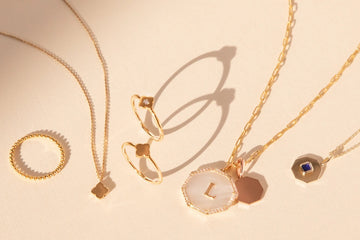
The jewellery world is moving away from mass-produced sparkle and towards something far more meaningful. What I’ve noticed, and what I shared in my Forbes conversation, is that people are rethinking how they buy jewellery. Even when budgets feel tighter and everyday costs are rising, there’s a growing preference for pieces that feel personal. Jewellery that’s made with intention tends to matter more, because it belongs to you, not a trend cycle. And that’s the core mission when I founded Kimjoux, to create personal heirloom.
Kimjoux was always meant to sit between worlds. The name itself reflects that. East and West, heritage and modernity, meaning and design. But beyond the name, there’s purpose.
From the beginning, I wanted Kimjoux to be connected to where gemstones come from, not just how they look once polished. Part of our work supports women in mining communities through education and gemstone knowledge. When you understand the journey of a stone, you treat it differently. Jewellery stops being decorative and starts becoming something you respect, care for, and keep.
That sense of responsibility shapes every decision we make, from sourcing to design to how we talk to clients.
How the Pandemic Changed the Way We Wear Jewellery
What still amazes me is how quickly everything shifted.
According to the article, the pandemic didn’t just change how people lived. It changed how they related to jewellery.
The data surprised many people. A large majority of consumers bought jewellery online. Many said spending more time at home led them to buy more pieces. And a significant number chose jewellery specifically because it looked good on screen during virtual meetings.
When I read that, it made perfect sense.
We weren’t dressing for rooms anymore. We were dressing for moments. A necklace that caught the light near your face. Earrings that softened your expression on a screen. A ring you’d notice during a long call.
Jewellery became intimate again. Not performative. Not about being seen by everyone, but about how you felt in your own space. And that emotional connection hasn’t disappeared since.
Where Sustainability Gets Real
This is where the jewellery conversation gets more honest.
You can donate clothes. You can alter them, resell them, repurpose them. But low-quality jewellery doesn’t have a second life. Once it tarnishes or breaks, it’s often discarded. Worse, poor metals can irritate skin or cause long-term issues.
That’s why education matters so much to me.
When clients understand gemstones, metals, and craftsmanship, they make different choices. They buy less, but better. They choose pieces that are meant to stay with them, not be replaced in a year.

Why Craftsmanship Can’t Be Compromised
I often say this to clients, and I truly believe it.
There’s no point pairing beautiful design with inferior materials. And there’s no point asking skilled artisans to create something that won’t last. True bespoke jewellery only works when every element is respected; the stone, the metal, the hands shaping it, and the story behind it.
That’s why I see this shift away from fast-fashion jewellery as something positive. It’s not about luxury for the sake of it. It’s about intention. Choosing better. Choosing once.
If you’re curious about creating something personal, intentional, and truly lasting, let's book a private consultation with me to design your bespoke piece.
And if you’d like to read the full feature that sparked this conversation, you can explore it HERE.


