


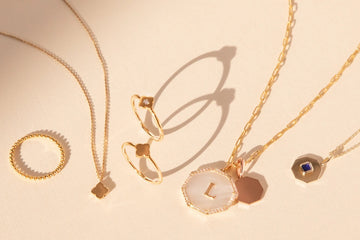

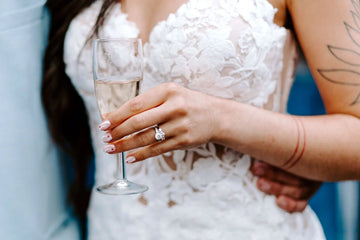


Somewhere in a drawer, a safe or the back of a jewellery box, there is probably a ring, pendant or pair of earrings that hasn't been worn in years.
Not because it isn't loved. It just doesn't quite fit the life it was inherited into.
That's usually where the conversation starts when a client brings me a family piece. Not “should I change it?” but “am I allowed to?”
You are. Almost always.
An heirloom carries someone else's story, but the piece was made to be worn. Redesigning it doesn't erase what it meant before. It gives the jewellery a chance to become part of your life too.
Why People Redesign What They've Inherited
The reasons are rarely just about taste.
A piece may need proper restoration before it can be worn safely again. The style may belong to a different era or simply not suit the person who inherited it. A family piece may also need to be divided between siblings, which means the original design has to change.
Reworking inherited jewellery also keeps the original materials in use. The gold and gemstones have already been mined, cut and shaped, and they already carry a history. Giving them another life is often a very natural part of the decision.
When a family piece comes into my studio, I want to hear about it before I suggest changing anything. Who did it belong to? How did it come into the family? Which parts matter to you? Those details affect the design far more than a photograph ever could.
What "Redesigning" Actually Means
Redesigning an heirloom isn't one single process. It covers a real range.

If you love a piece exactly as it is, restoration keeps every original feature intact; it just makes the piece sound and wearable again. If the sentiment matters more than the setting, I can take the metal and stones from the original and build something entirely new around them, a piece that's genuinely yours, carrying materials that were always meant to be family. And sometimes a single piece needs to become several: a three-stone ring split between three heirs is one of the requests I hear most often, and there's more than one way to do it well.
Whatever the brief, I take your ideas and the piece's own history into account before I ever sketch a design. Bespoke, made-to-order jewellery is the whole of what I do, so this isn't a side service. It's where a lot of my best work starts.
What I Ask Clients to Think About First
Before we redesign anything, I ask people to actually live with the piece for a while. Wear it. Notice what you look for and what you avoid. That's the fastest way to know which details matter to you and which ones don't, and it means you'll be genuinely happy with what we change.
I'd also steer you away from chasing what's fashionable right now. Trends move on quickly, and heirloom jewellery is meant to outlast them. Your lifestyle matters just as much as your taste. A hollow or heavily worked ring can be more vulnerable to daily knocks if you're active. Dangling earrings are worth reconsidering if you have a young child pulling at everything within reach. None of this is about limiting the design. It's about making sure you can actually wear it.

It's worth having any older piece properly valued before we start; worn jewellery can be genuinely difficult to identify by eye alone, even for someone experienced. And it helps enormously to set a budget early and say so clearly. Sourcing the right materials can take time, and a clear budget from the outset means no disappointment further down the line.
The Questions I Get Asked Most
Can you reuse diamonds?
Yes. Diamonds are about as durable as a gemstone gets, which makes them ideal for passing down and resetting again and again with very little risk of chipping. I always check a stone's condition and quality before it goes into a new setting.
Can you reuse the gold?
Often, yes. It depends on the piece, so this is exactly the kind of detail I go through properly during a private consultation.
Can I redesign my engagement ring after a divorce?
Yes. Turning a wedding or engagement ring into a pendant, a pair of earrings, or a different ring entirely is a genuinely lovely way to mark a fresh start. As I like to put it: divorce the husband, not the jewellery.
I've inherited a ring. Can I reuse the gemstones in my engagement ring?
Yes, and it's one of my favourite kinds of commission. You could recreate something close to the original, or design a piece that's completely new around a stone that already carries your family's history. My guide to choosing an engagement ring goes into more detail on choosing gemstones if you'd like to explore the options first.
How much does it cost to redesign an heirloom?
There isn't a fixed price, because every piece and every brief is different. Redesigned pieces are handmade to order, so the cost reflects the materials and the work involved. Once I understand what you're hoping for, I can talk you through the best materials for it and build a design around what actually suits you. Get in touch and I'll talk you through it properly.
Will the piece still feel like mine, even once it's been redesigned?
Yes. I always start by getting to know you and the piece itself, before a single sketch happens. We work through the new design together, so the details that matter to you are the ones that stay.
I have one piece to split between three heirs. Can you make multiple pieces from one?
Yes, and there's more than one way to do it. If the original has several stones, I can divide them across separate pieces. If there's enough metal, I can melt it down and share it out, so each person ends up with something that's genuinely their own, not identical, but from the same source.
How long does it take to remake old jewellery?
That depends entirely on the design. Once we've talked through the piece and you've confirmed a design and quotation, work usually begins within two working days. The standard lead time is four weeks, though intricate, heavily handmade designs, or pieces that need a specific stone sourced, can take longer. You'll always have an estimated lead time in your proposal, so there are no surprises.
Do I need to see you in person?
Not necessarily. I'm based in London but work with clients across the UK and internationally, in person or over a virtual call, whichever suits you. Book a consultation to get started. If you can't bring the physical piece to a first conversation, clear photos and as much detail as you have are a good starting point. Once you're ready to go ahead, I'll help arrange a secure courier, and the piece is quality-checked the moment it arrives, before any work begins.
Looking After It, Once It's Yours Again
Once your heirloom has been restored or rebuilt, looking after it properly is what keeps it wearable for the next chapter too, not just this one. A velvet-lined box does more than look good. It protects the finish and stops pieces scratching against each other in storage.

Check the settings on any gemstone regularly to make sure nothing has come loose; that's the most common way a stone is lost. It's worth checking the stones themselves too. Diamonds are tough enough that damage is rare, but softer gemstones can chip, scratch or wear down over time, and occasionally need replacing. My guide to Spring cleaning your jewellery box goes through exactly how to check your pieces properly. If you'd like to read more, you'll find the rest of my journal here.
If you have a piece sitting in a drawer that you'd like to wear again, bring it to me.
We can look at the original piece, talk through what you want to keep, and work out what makes sense from there. Let's book your private consultation!


